
By Milena Lyons
We have become accustomed to a society where almost everything can be digitally altered, advanced or made start to finish on a machine. From the perfectly curated grids that flood our Instagram feeds to the increasing number of artificial advertisements we see every day, digital perfection has become the new standard we can’t escape. Under an umbrella of falsehood that blankets technological innovation, Prada is reminding us that sometimes the most fascinating forms of creativity cannot be rushed. With its 2026 holiday campaign, Drawing Prada: Animated by Hand, the Italian fashion house returns to charming and traditional illustration, challenging us to consider if luxury is most embodied in human touch.
The recent release introduces a whimsical winter wonderland where luxury fashion meets traditional animation. The campaign features major celebrities such as Maya Hawke, Chen Haoyu, Luther Ford and Kelvin Harrison Jr., combining live-action photography with hand-drawn illustrations to create a background that recalls classic animations and childhood stories. The animation was led by animator John Pomeroy, and photography and direction were led by Glen Luchford. Pomeroy is a veteran Disney animator whose career spans more than five decades, with credits including The Land Before Time, Pocahontas and Fantasia 2000.
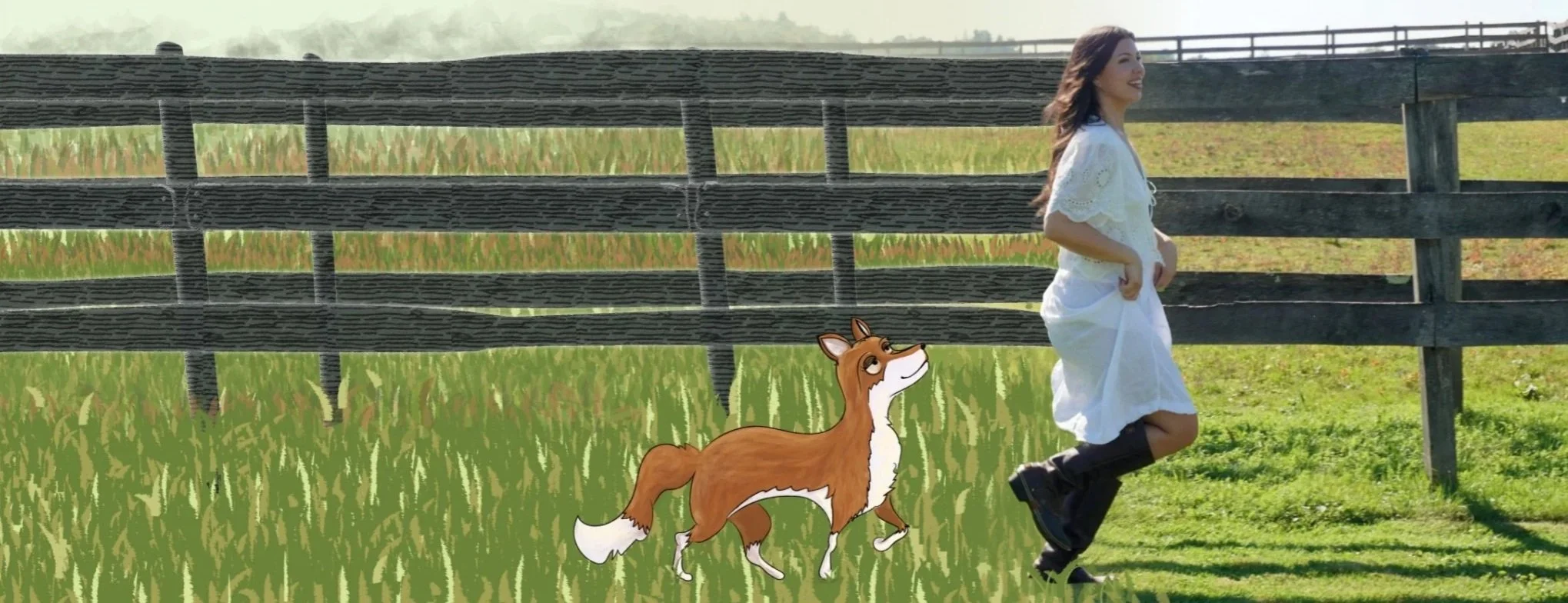
Toying with a more playful experience, Prada situated their products in unique and unusual encounters. One scene showed mice attempting to steal a pair of loafers, and another illustrated a snow lynx sniffing around a bag. This campaign drew inspiration from old Hollywood, traditional fables and storybook illustrations to create a feeling that is simultaneously familiar and unexpected. Prada described the project as a celebration of storytelling at the human core of creativity, connecting its illustrations to the brand’s broader appreciation for craftsmanship.
This emphasis on human artistic labor feels especially relevant in a generation that is increasingly becoming more familiar with constantly seeing AI-generated content. Now that an image can be created instantly, the time and effort behind something handmade is even more noticeable. Pomeroy captured this sentiment when discussing the campaign, explaining that “there’s very distinct and purposeful reason to do hand-drawn animation, and that’s to see that there’s value in the human touch.” His perspective highlights the campaign's main idea that creativity is about the process behind it just as much as it is about the final result.
This distinction also feels especially significant for a luxury brand like Prada. For a long time, luxury has been associated with impeccable craftsmanship, attention to detail and the extended amount of time that is required to make such pieces. By highlighting the artistic labor behind this campaign, Prada is extending these prominent values beyond the product and through its communication with its customers. Variety reports that a 2026 Interactive Advertising Bureau report found nearly two-thirds of digital video advertising buyers use generative AI in creative production. Prada’s choice to embrace traditional animation instead offers a contrasting approach that shows how a brand can stand out through the creative process it uses.
Beyond its emphasis on craftsmanship, Prada's campaign also leverages nostalgia with its playful animals, winter landscapes and storybook imagery. For a generation that grew up watching animated films and consuming digital entertainment, the wonderland aesthetic brings a refreshing reminder of this traditional form of storytelling.
Prada’s campaign ultimately reminds us that innovation does not mean abandoning past methods. As the fashion industry continues to explore AI’s place in digital production, traditional art still holds meaningful value to offer. For a world surrounded by digital perfection, maybe the appeal of handmade creativity lies in its ability to be something different. The campaign shows how traditional craftsmanship can coexist with contemporary fashion advertising while still offering a distinctively different creative perspective. In an industry always searching for the next innovation, Prada’s return to tradition feels especially relevant. Maybe the future of fashion is not about choosing between digital advancements and traditional craftsmanship but recognizing that there is value in both. And perhaps, in a modern world where almost anything can be made artificially, the most luxurious thing will become knowing that something was made by hand.
