
The Power of The Female Shopper
By Nicola Midiri
Who really decides what ends up in your shopping cart? Is the choice really yours? Did you come up with the idea of making that purchase, or did someone else influence it? Think about the skincare product your sister recommended or the shirt your friend convinced you to try on. Before you “add to cart” or swipe your credit card, consider the possibility that someone else might have already influenced your decision.
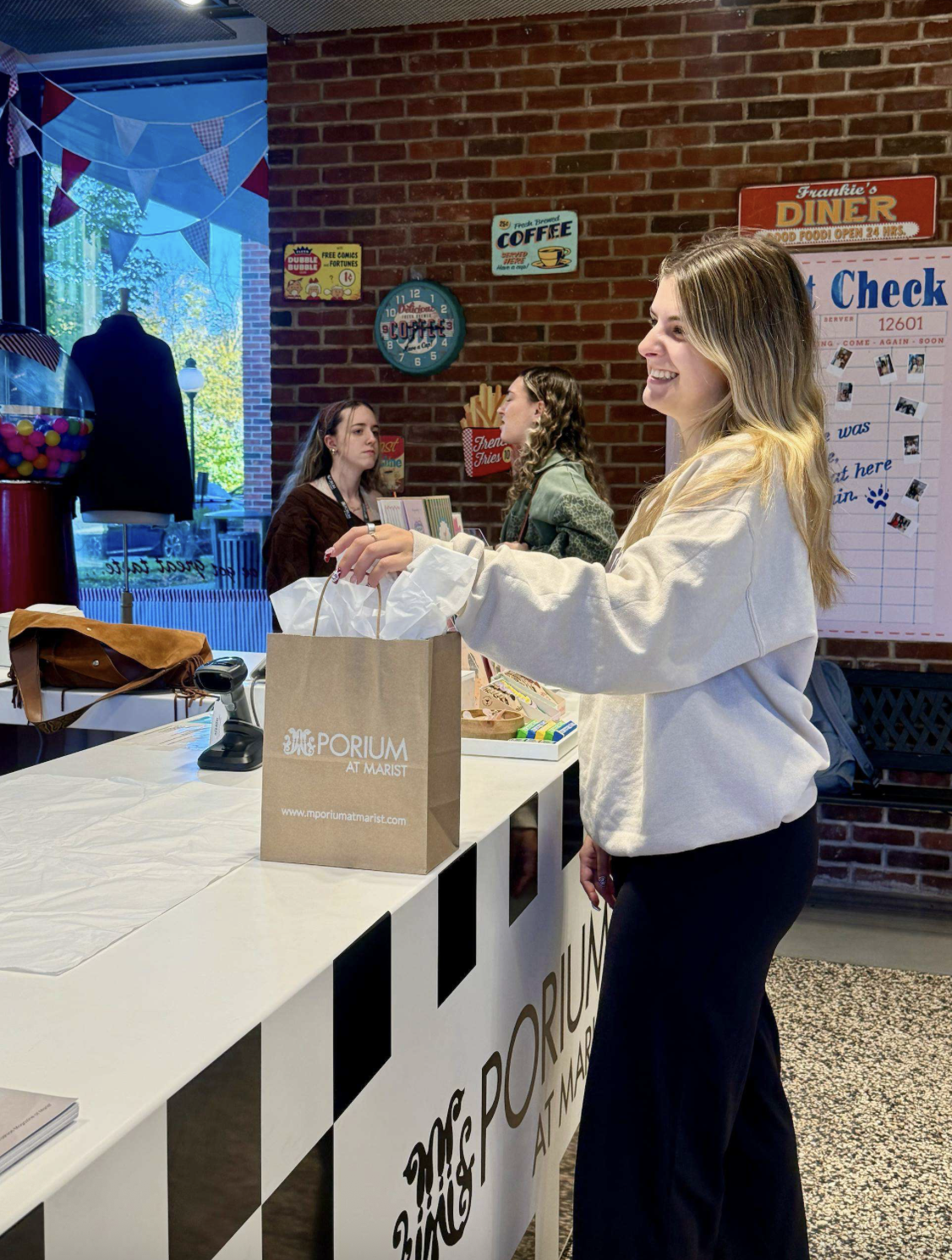
Photographer: Nicola Midiri
Model: Gianna Lopresti
Women are influential members of the consumer market and tend to have skills at swaying consumers. One of the most common and accessible entry-level jobs for women is working retail. Having a retail job is like a real-world incubator for charisma. Women transform from the average customer to an employee. They can develop skills like communication, persuasion, and charisma through the process. According to recent statistics, “women make up more than half of the U.S. population, controlling or influencing up to 85% of consumer spending.” This percentage highlights how women’s choices go beyond making a purchase for personal use. From making a recommendation to families and friends, or even a woman suggesting to her partner to buy a product, their influence allows brands to understand the female shoppers’ perspectives and take them into consideration for marketing purposes.
According to Mitchell, women account for about 60% of social media sharing. This is an important statistic when it comes to marketing. Based on these types of consumer trends, women’s influence on purchasing could even extend to college campuses like Marist, where women make up 57.5% of the student population. The University could be an example of women’s purchasing influence. The Fashion Program attracts women and is a primarily female-dominated industry. Trends tend to spread and get picked up on social media or around campus. Students follow trends, but also have their own stylistic compass. Some examples of this include Marist apparel and creative student-picked designed clothing. This ties into trend sharing among students, as friends make recommendations, share about recent purchases, and influence what others want to buy.
Additionally, when in a relationship, you're bound to have your partner influence your interests and opinions. Sharing purchases like vacations or furniture may incorporate both partners’ preferences. These shared decisions are another example of how women can impact spending beyond purchases made for themselves. According to Forbes, “women represent tremendous spending power and economic influence, controlling the dominant share of global consumer expenditure.”
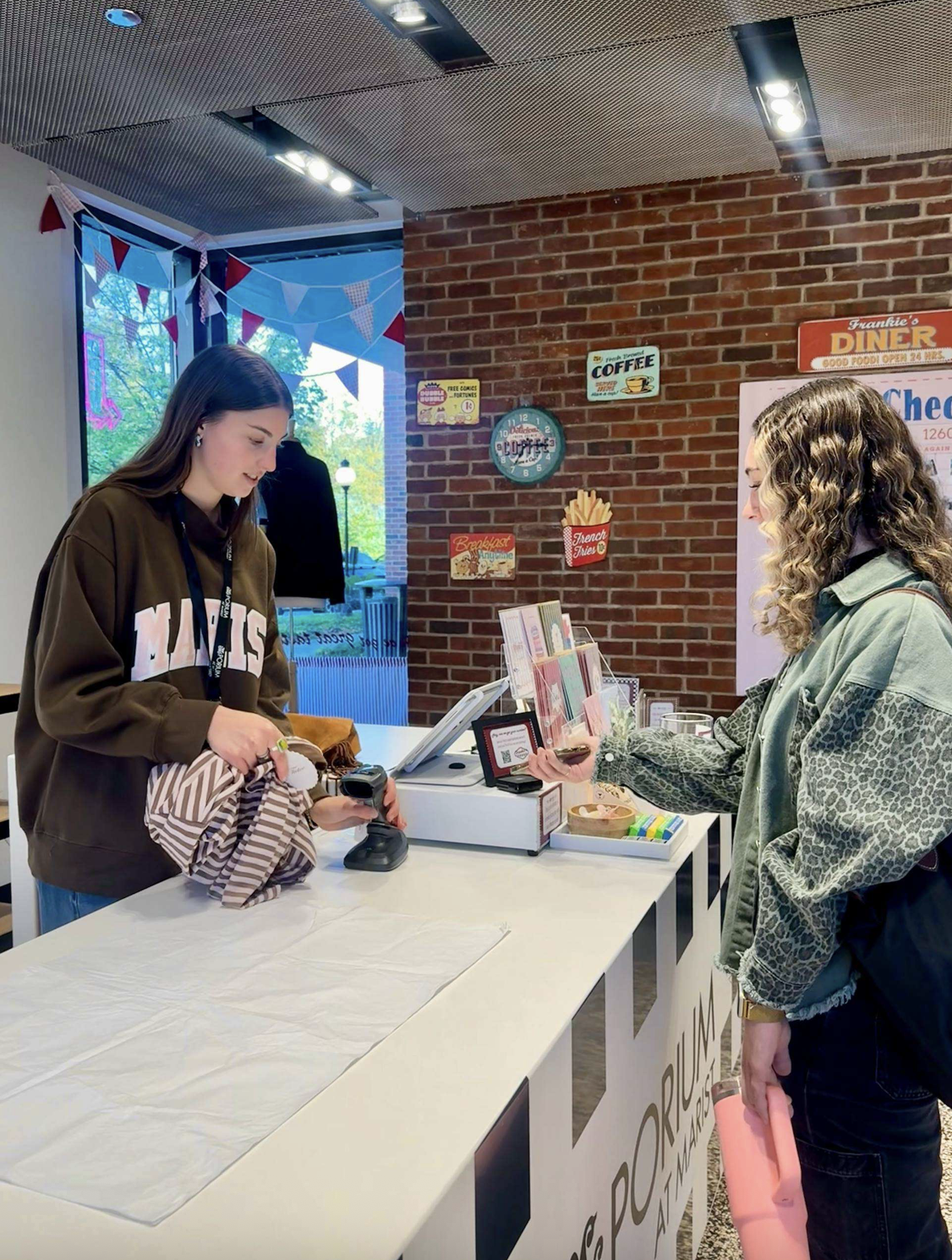
Photographer: Nicola Midiri
Models: Elizabeth Buhler, Angelina Karwan
Brands market a variety of products to women because they recognize the value of their opinion. One example is Old Spice's "The Man Your Man Could Smell Like" ad, which speaks directly to the female perspective. In the ad, a confident man addresses women directly and encourages them to compare him to their partners. He provides the argument that Old Spice can make their partners smell more attractive. The brand uses a woman’s perspective to convince them to suggest that their partners switch to Old Spice. The ad creates the premise that, if the partner switches products, they will become more appealing and attractive. Even though this product is traditionally for men, Old Spice chose a different angle by reaching multiple audiences and recognizing the influence women can have on men's buying decisions.
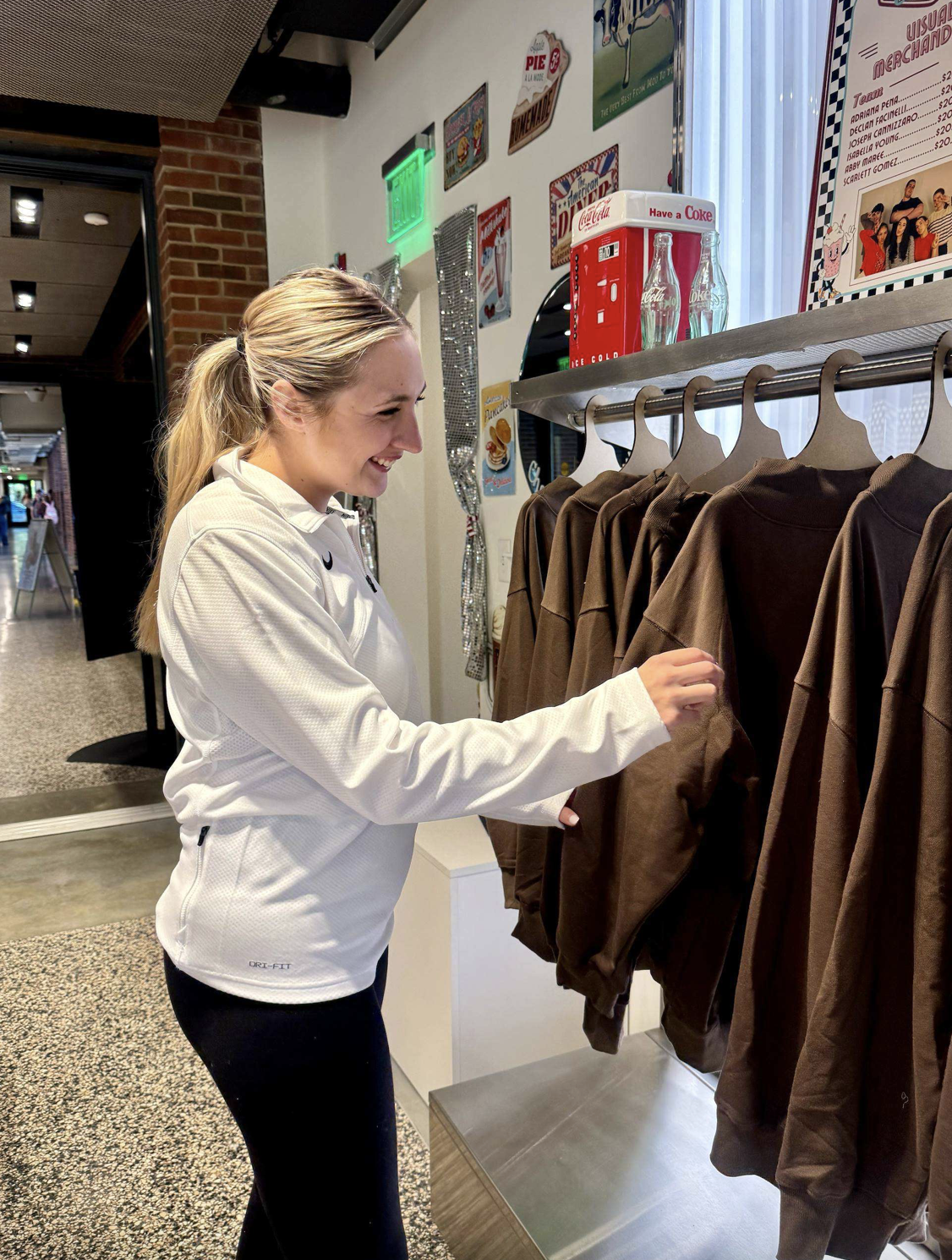
Photographer: Nicola Midiri
Model: Hannah Rostkowski
In earlier generations, most women depended financially on men. Any purchase they wanted to make was usually limited, and they didn’t have the freedom to make those decisions. However, in today’s society, women’s purchasing power shapes various markets. Women are projected to hold 75% of discretionary spending by 2028, meaning spending on items people want rather than need. They already control over 60% of U.S. personal wealth and buy more than half of male-targeted products. These products could be cars, electronics, and more. Also, women impact 70% of travel decisions, which shows their level of control regarding to multiple markets. In short, women aren't just influencing the products marketed towards them, but they're also influencing what gets purchased across the market as well.
Women's influence over purchases and the ability to affect the market is huge. The level of control is more than just personal buying, reaching family, friends, and partners. He might carry the shopping bag, but she could be the reason he purchased what’s inside. Trust, social media, and communication shape what women decide to buy—sometimes ‘I don’t need this item’ changes when a friend says, ‘I have to have it.’” When you finally go to checkout, the woman who originally sparked your interest deserves a commission on the sale.
