
Runway to Reel: Measures Favorite Fashion Films
By Hanna Brick
Fashion films resist the arc. They begin, they observe, they end. Nothing really resolves. Something is revealed, or maybe something is just rearranged. The camera lingers where narrative cinema would cut away: a model waiting, a designer not speaking. Time passes, but not in the way we expect it.
The Measure editorial team chose some of our favorite fashion films to dissect. Here are our picks:
Illustrated | Carmryn Aprilante & Hannah Bell
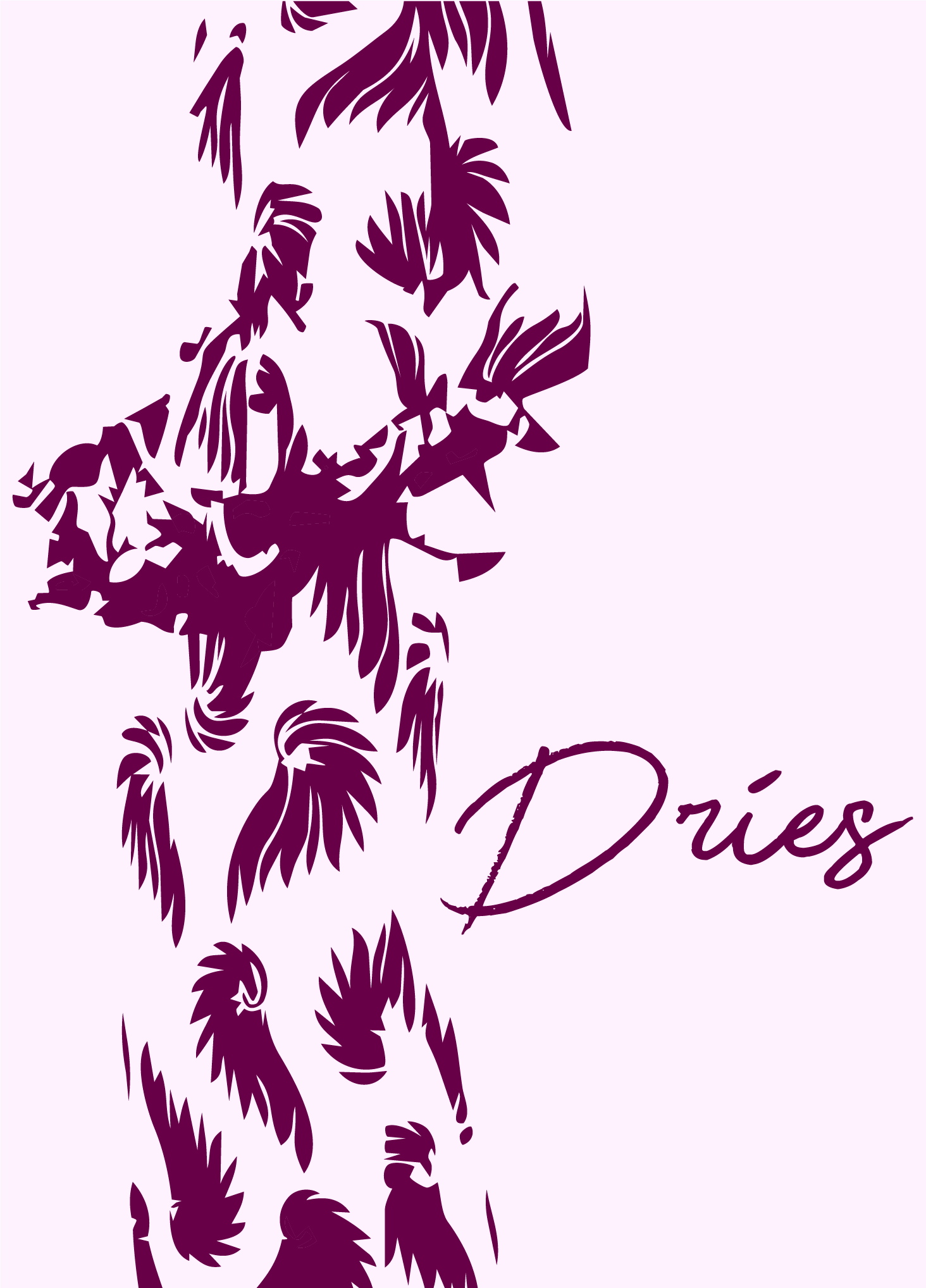
In the documentary “Unzipped,” Isaac Mizrahi moves through the making of a collection with lightness. He jokes and deflects. But the film is patient enough to catch the low, continuous anxiety that seems less like a reaction. The clothes arrive eventually, but they feel like artifacts, proof that something invisible has already taken place. The show is not the climax. It is the residue.
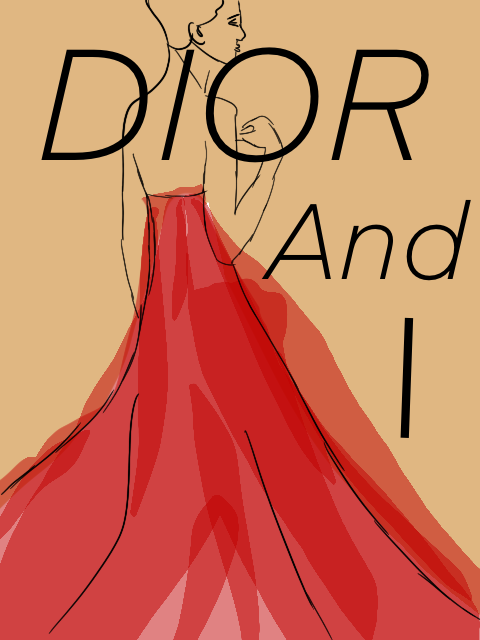
“Dior and I” is quieter. Raf Simons enters Dior carrying the weight of its past, though the film rarely names it directly. Instead, it watches the ateliers: the women who sew, measure, remember. Their authority is unmistakable. There is a tension here that never quite surfaces into conflict: the negotiation between continuity and change. The work happens in increments, in gestures so small they almost disappear. And yet everything depends on them. The film leaves the viewer to decide whether Raf lived up to the brand’s legacy.
With “Bill Cunningham New York,” the center shifts. Bill Cunningham is not making fashion, not exactly. He is watching it. His distance feels deliberate and ethical. The blue jacket, the bicycle, the apartment lined with filing cabinets. These are not eccentricities so much as a refusal. He documents without possession. What people wear becomes a language he reads fluently but never claims to be the author.
“The First Monday in May” turns toward spectacle, but even here the camera hesitates. Anna Wintour appears not as myth but as something measured and exacting. The Met Gala is constructed piece by piece, meaning assigned, adjusted, debated. The red carpet is almost beside the point. What matters is the framing, the insistence that these objects might hold still long enough to be called art.
Illustrated | Hannah Bell
T
hen there is “Diana Vreeland: The Eye Has to Travel,” which replaces process with pronouncement. Diana Vreeland speaks in absolutes, in images, in a kind of cultivated exaggeration. She does not observe fashion so much as declare it. At the helm of fashion for so many decades, the viewer gets insight into her brain. The film listens, but it also watches the construction of a persona that feels inseparable from the work. Seeing becomes a form of authorship.
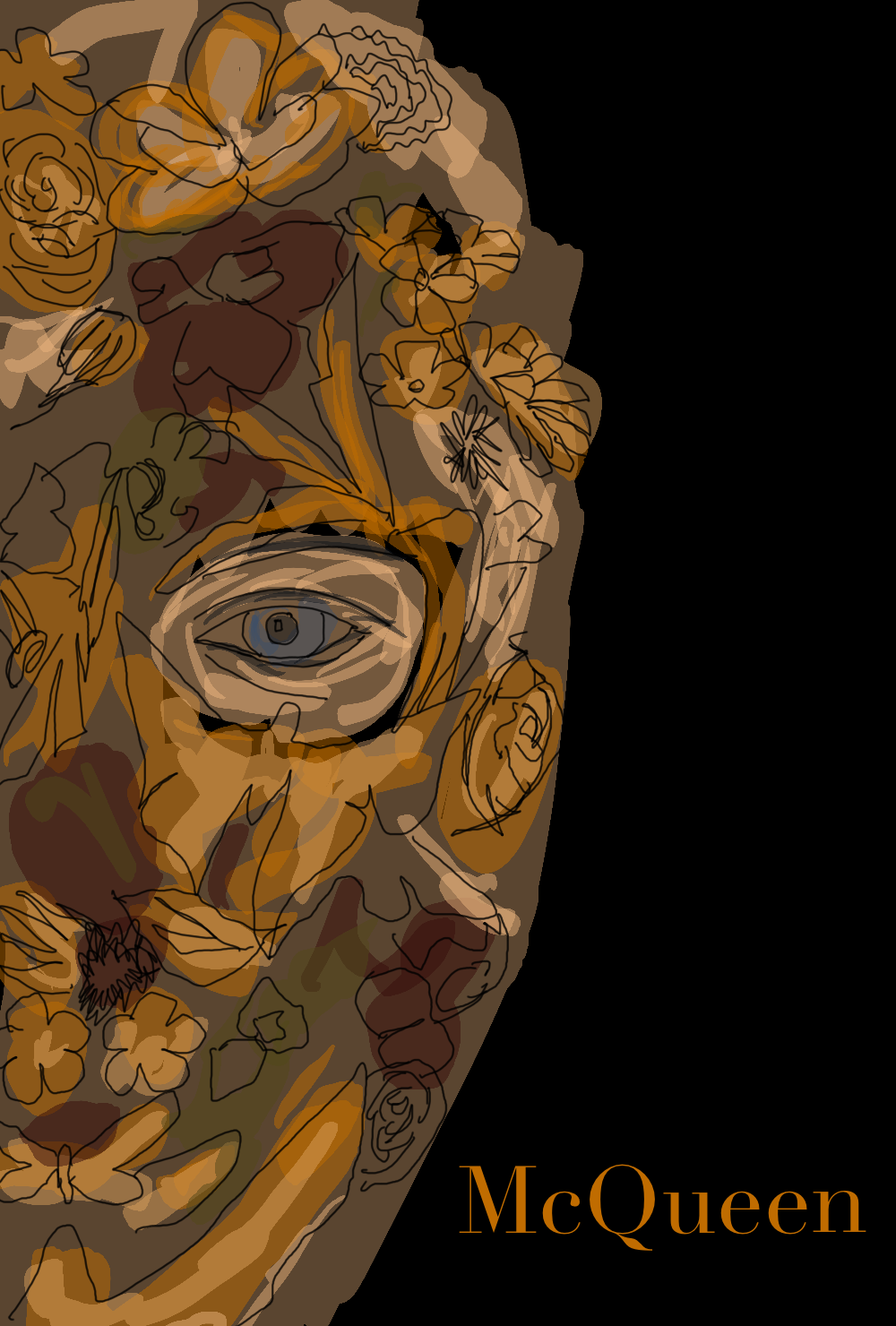
“McQueen” is less composed, though no less controlled. Alexander McQueen moves through the film in fragments. We see archival footage, interviews, and shows that feel almost operatic. The tension that hums quietly elsewhere is louder here, closer to the surface. The work expands, becomes theatrical, but the film keeps returning to something smaller, more private. Pressure accumulates. It does not disperse.
These films do not argue for fashion. They do not defend it. They watch. They collect. A seam, a glance, a pause that lasts just a moment too long. What emerges is not a story but a series of negotiations, between labor and image, inheritance and invention, self and projection. It is quieter than fiction, and less forgiving. It lingers because it does not resolve.
