
How Dylan O’Connor’s “The 12th Man” is Reshaping Men's Streetwear
By Elizabeth Beggan
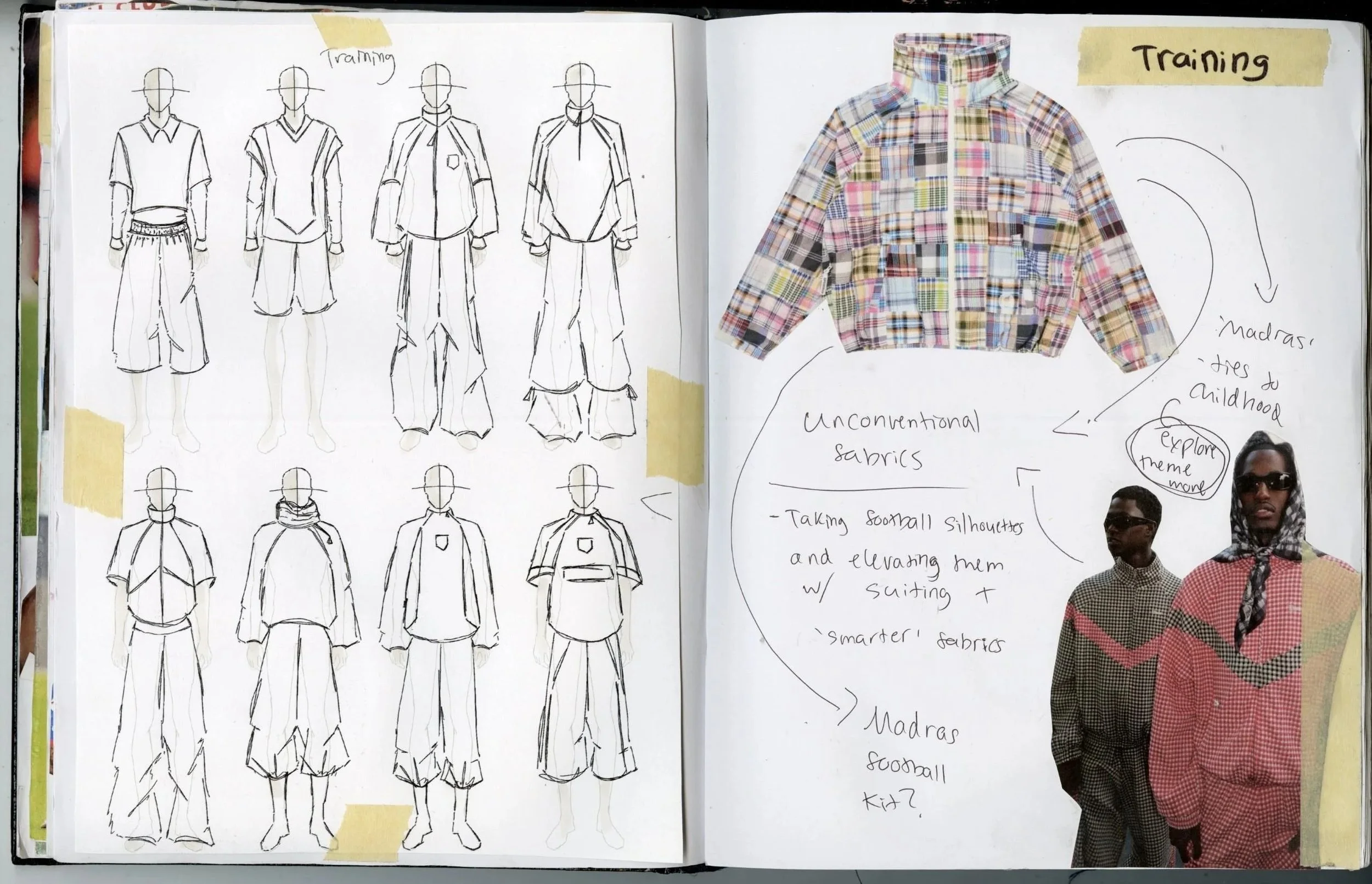
Marist senior Dylan O’Connor is flipping through his inspiration book for his next line: “The 12th Man.” In the Steel Plant design room, the light bounces off the black binding that’s holding the childhood photos, patterns, sketches and eraser marks from past, disregarded sparks of design. There’s blue painter’s tape surrounding the edges of the pages to hold together the prominent plaid patterns that were frequented in his childhood.
Illustrated I Dylan O’Connor
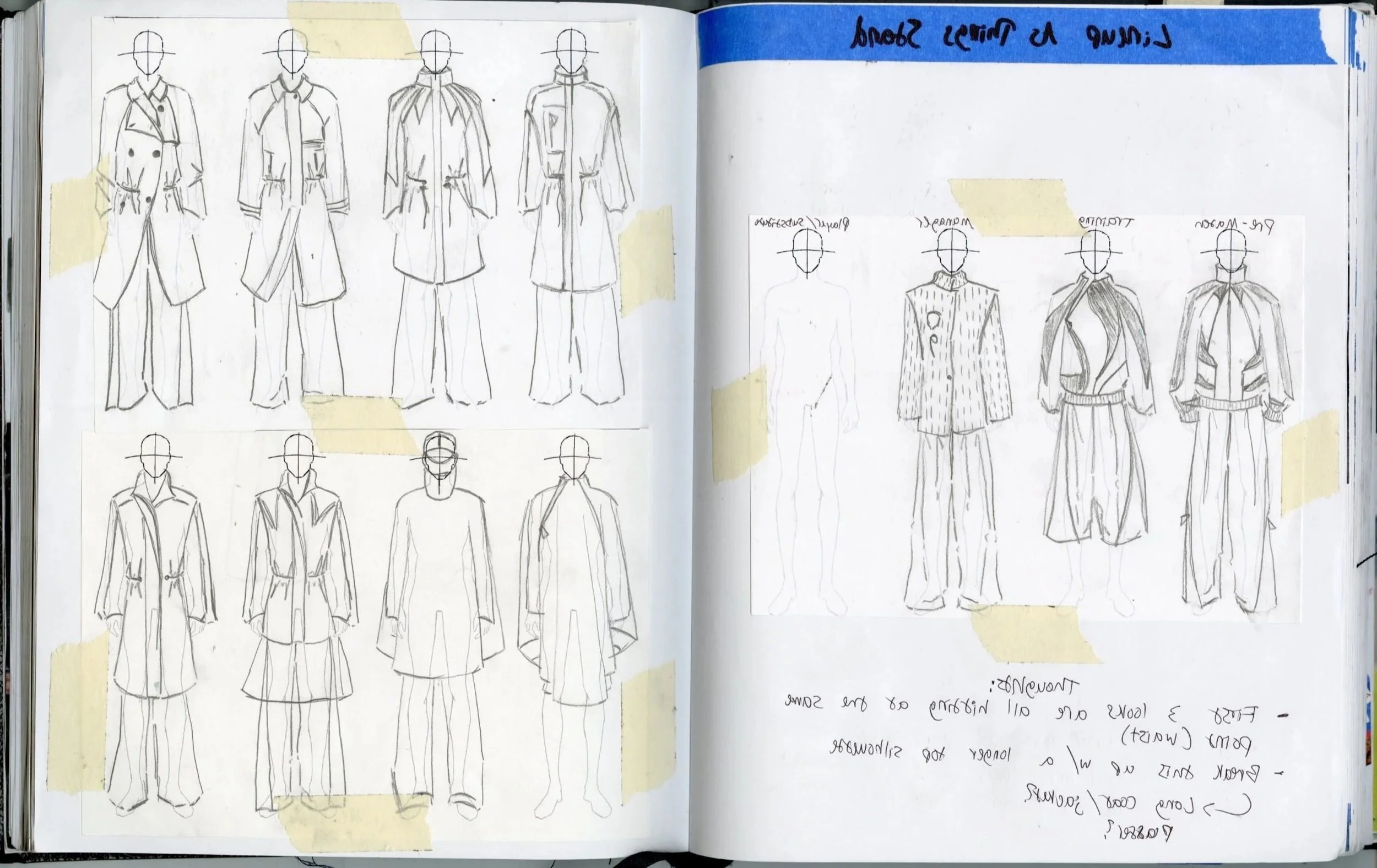
His collection is divided into four moments, with inspiration drawing from his favorite team for as long as he could remember, Manchester United. Born in the United Kingdom, soccer is a constant in his life and ultimately the inspiration for his line. O'Connor's goal for the line is to combine traditional soccer clothing with his personal style of men's formalwear for that perfect in between.
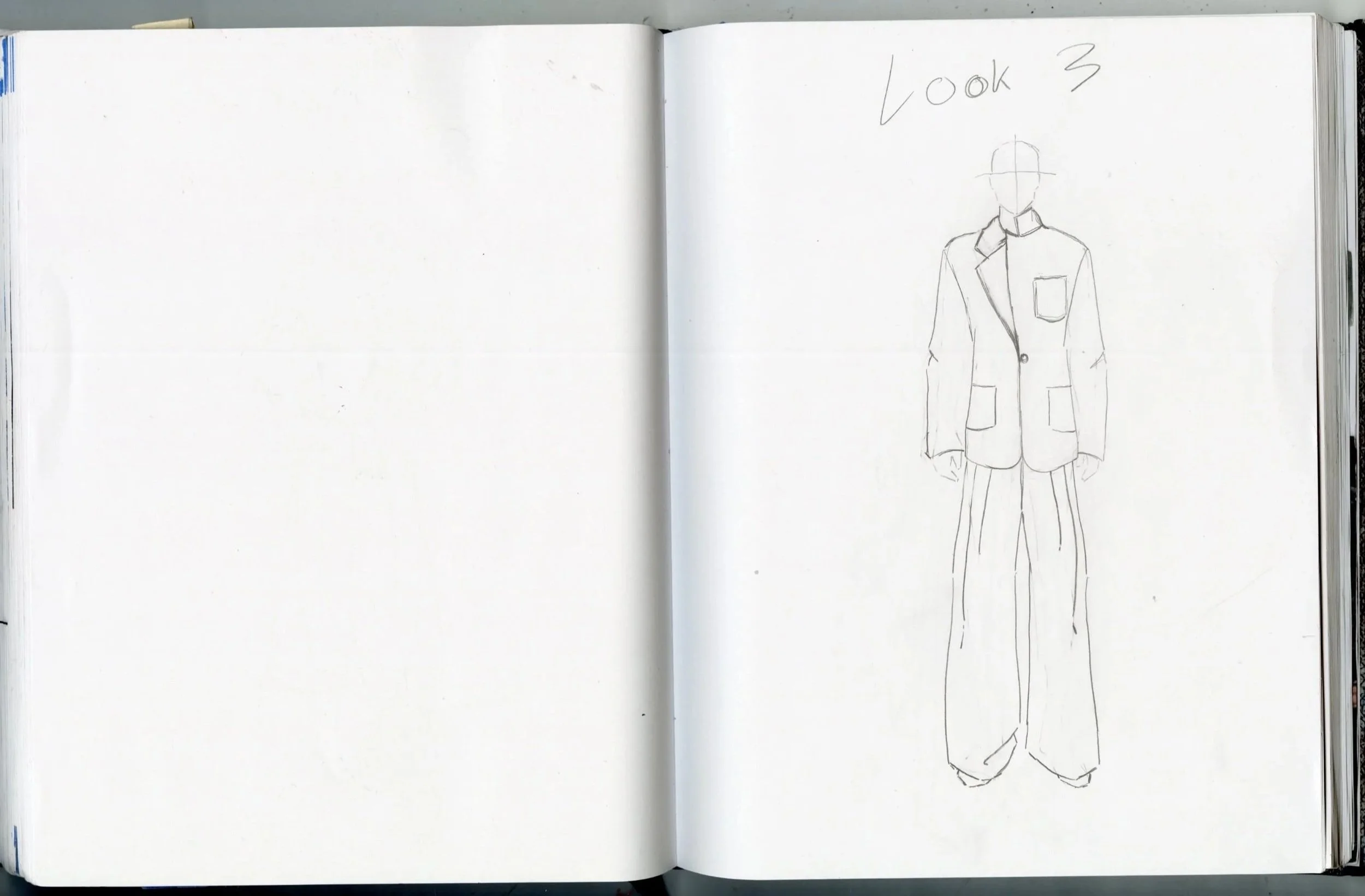
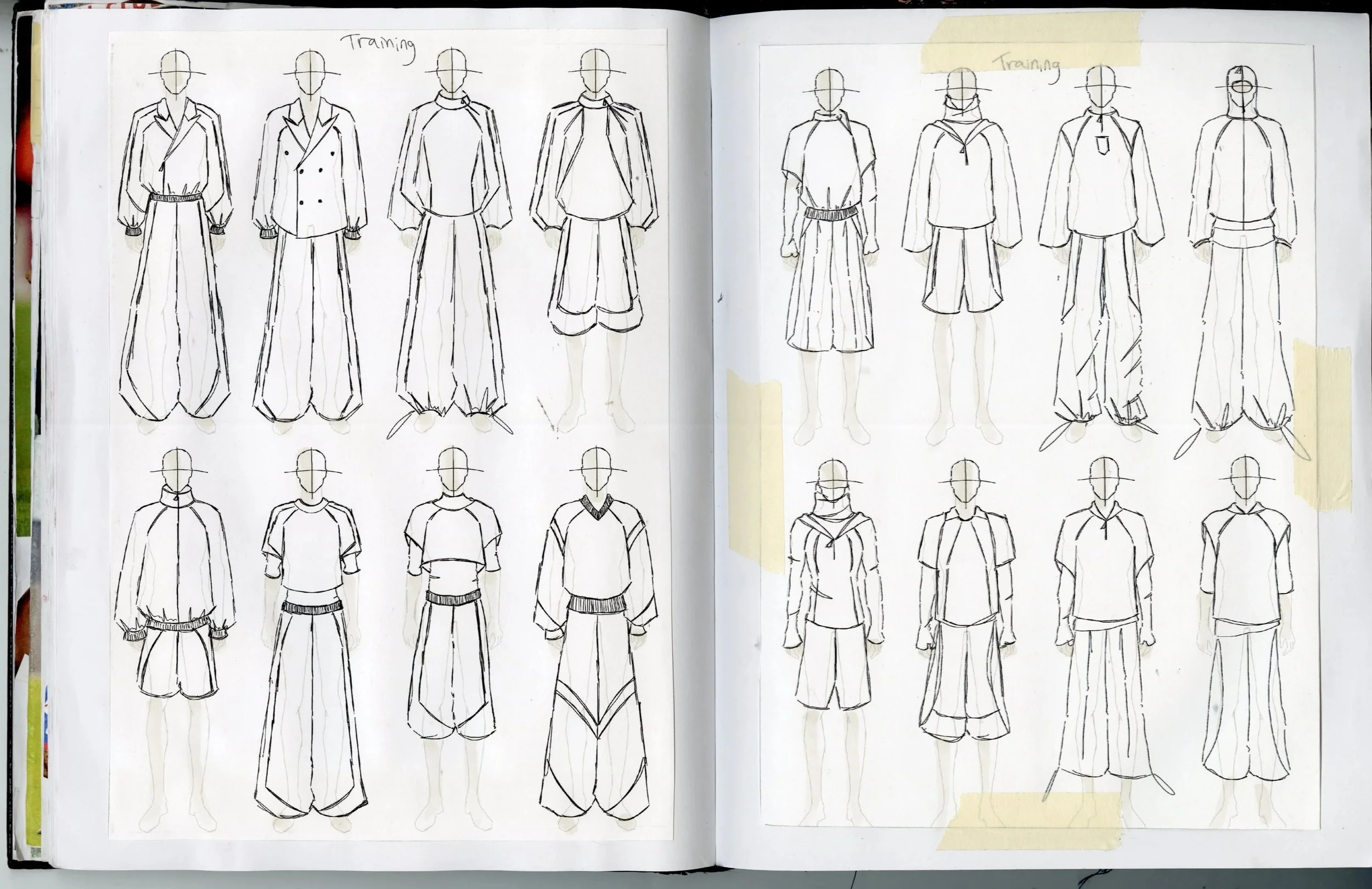
Between the four different archetypal looks, training wear, pre-match look, substitute and manager, he’s able to elevate the traditional casual looks using fabric. O’Connor, along with the four looks, is also designing a soccer kit with the plaid that was found on childhood chairs and polo shirts. “I brought it in as a graphic because a lot of the jerseys are very graphic heavy,” O’Connor says. The pieces are executed using brushed cotton twils, neoprene structured fabric and button tailored waistbands instead of elastic.
O’Connor approached designing the training wear by combining his fabrics with the traditional
silhouettes and paneling used. The prematch look is a structured, formal outfit that fans could easily create their own rendition of. Both the manager look and the substitute stay consistent in his theme of structured formalwear, taking simple silhouettes and transforming them for the runway.
“One of the main things I drew for inspiration was the paneling and the seaming because you don’t normally see that in normal formalwear,” O’Connor says. “That’s a way I’m making it formal runway wear, I was taking that design content concept and applying it to a completely different style of clothing.”
His collection is constantly evolving and changing. O’Connor needs to have a shell of a design made of muslin every two weeks to present to professors for feedback. A brand he turns to for artistic guidance is one he was able to intern for this past summer, KidSuper.
Illustrated I Dylan O’Connor
Colm Dillane, owner of KidSuper, massive soccer fan, focuses on streetwear and is based in Brooklyn. Dillane, because of his infatuation with soccer, releases clothing revolving around the sport. He has hundreds of track jackets, wide legged pants, shorts and much more with elements like patchwork, different fabrics and graphics on each of his clothing.
The plethora of garments have walked down renowned runways like Paris Fashion Week and have collaborated with names such as Louis Vuitton and even Jameson. “He even has a soccer pitch on the roof of their office,” O’Connor says. Narrowing his focus to the trends of the 90s to early 2000s, his research was focused on iconic figures like David Beckham and Eric Cantona. O’Connor realizes the upsurge in popularity for soccer kits and the style and uses it to his advantage to evaluate the intersection of fashion and the culture of soccer. He notes that today, soccer players are turning back to what was popular in the 90s to the 2000s, replicating the “Beckham look.”
Translating the culture onto the runway is a challenge but something he feels passionate about. An advantage he has recognized is his global perspective, being able to identify the garment gaps that the United States lacks. “In the U.S. I've noticed that there’s not really a middle ground for formalwear and streetwear, whereas in the U.K. the two were very much blended together,” O’Connor says.
Through his kits and archetypes, he’s able to take worldwide sport and narrow it into a malleable representation of the cultural impact it has on fashion.
Soccer has integrated itself into the field of fashion, almost evolving into a sister discipline dynamic. While their influence on fashion cannot be disputed, the trends are noted by fans and multimillion dollar fashion houses and small brands. Designers like OffWhite, Prada, Gucci and Louis Vuitton have collaborated with players to engage audiences further.
Fans have always been infatuated with players on and off the field. For young men, they’re idols they turn to for fashion inspiration and lifestyles. More recently, soccer kits are seen outside the stadium and in the streets of New York City and London. The resurgence of wearing the kits in a more casual tone brings a sense of nostalgia to the newer generation.
Brands such as Puma, Adidas and Nike releasing their “teen 90” collection have embraced this nostalgia feeling, bringing back vintage kits from the 90s to the 2000s for consumers to purchase. “Because it's come around back to that style so much, all of the players are being funneled through it,” O’Connor says.
Marist junior Cristobal Martinez Torres has been a first-hand witness to the soccer kits uproar. Athletica, a brand that started in 1994 as a textile company owned by his grandfather has now transformed into a soccer kit development business with Torres at the helm. Athletica is a Mexican brand that has evolved into a global presence that has accomplished many feats.
From partnering with the Mexican National Team in the 2002 Olympics to having their own jerseys repped by Messi and the Dallas Cowboys, Athletica’s business has never been better. “In the past two to three years, soccer kits have been selling more than ever. Teams are releasing third, fourth, even fifth kits. Leagues like La Liga have retro kit days,” Torres says.
“It’s great for nostalgia and also creates new revenue. As Atletica, we’re relaunching historic kits because there’s huge demand. Even after 20–30 years, people still wear my grandfather’s jerseys. You still see them in stadiums,” he continued. Soccer fans or not, the kits are seen on the backs of everyone.
There’s a global influence from players like Messi, Renaldo and Neymar. It’s not just sportswear — it’s fashion. Nostalgia is driving the resurgence, fans are after a time period in soccer that brings a sense of culture and pride. “It really picked up around 2021–2022. Collaborations, celebrities, and a more open mindset toward fashion all played a role,” Torres says.
To align with the demands of retro kits by audiences, Athletica, under Torres’ direction, is re-releasing kits from 2002 and making new designs look retro. “As a designer, I design for the people,” Torres says.
O’Connor’s line isn't just for the avid soccer players and their fans but trend followers, fashion fanatics and everything in between. He’s telling audiences the story of the relationship between him and soccer, his loyalty and commitment to the sport. By spinning straw into gold, O’Connor is opening the doors to a new understanding of how much soccer has a cultural impact on the world around it.
