
The First Monday in May
By Editorial Team
The first Monday in May has become synonymous with fashion’s biggest night. The Met Gala. First held in 1948, the invention of famed fashion publicist Eleanor Lambert, the gala is a charity event intended to raise funds in order to keep the Costume Institute self-sufficient. The attendees of the occasion are tasked with coming dressed on theme. This year’s theme was “Fashion Is Art”, which connects back to the central idea of the exhibit itself. “Costume Art,” which explores the “centrality of the dressed body” through depictions and interpretations of the human form in the Met’s extensive collection,” the connection between the exhibit and theme is further described by Vogue writer Christian Allaire. Each guest gave us their best interpretation of the theme, and now Measure’s Editorial Team gets to talk about their favorites.
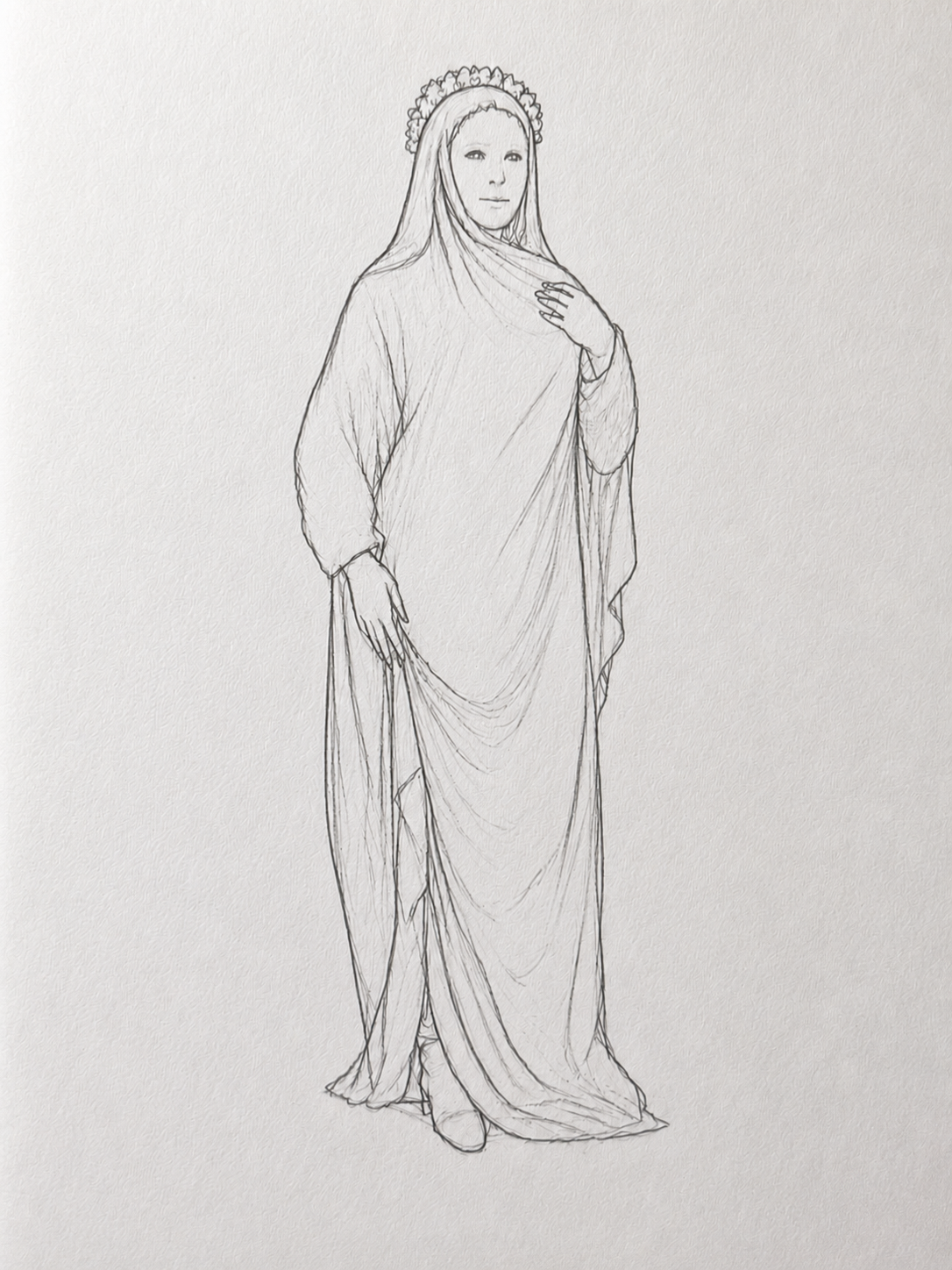
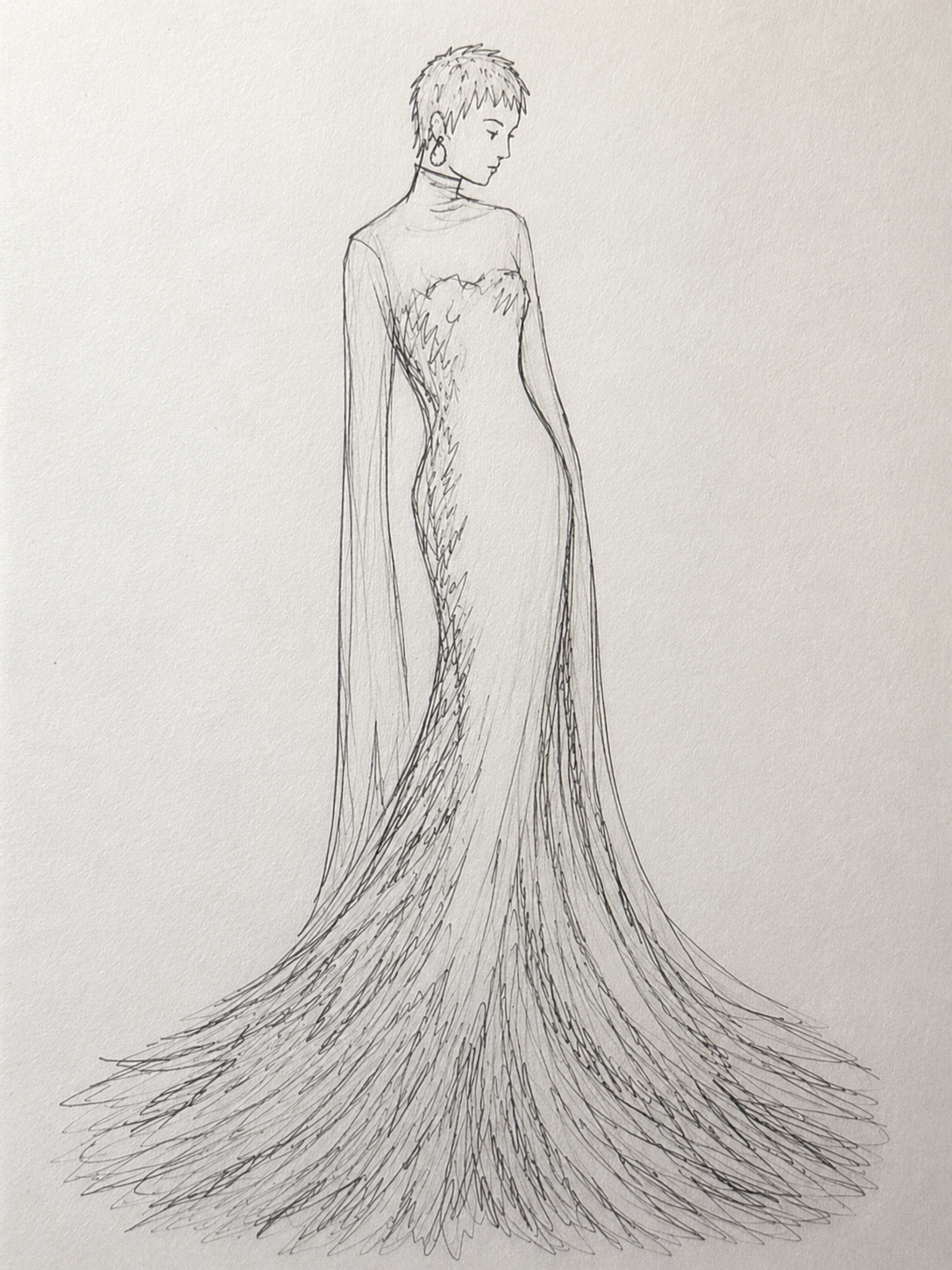
Illustrated I Hanna Brick
Heidi Klum - Written by Elizabeth Beggan
It’s Heidi Klum and she’s turned to stone for the Met Gala. It’s fitting, really; she frequently shape-shifts for her extravagant Halloween parties, and the Met Gala was no exception. Klum drew inspiration from “Veiled Christ” by Guiseppe Sammartino and “Veiled Vestal” by Raffaele Monti for her jaw-dropping moment. She stood in Mike Mariano custom latex vailing, unmovable from her face. Her hands, feet and nails were painted white like alabaster, taking four hours to assemble all together.
Emma Chamberlain - Written by Hanna Brick
Emma Chamberlain delivered one of the night’s most striking looks in a custom Mugler gown that transformed her into a living canvas. The dress featured a sheer nude base layered with vivid, hand-painted brushstrokes inspired by fine art, giving the illusion that color had been directly painted onto her body. She paired the look with a sharp platinum pixie cut and slightly grungy makeup that emphasized her under-eyes rather than concealing them, adding a contrast to artistic elegance. The result was a visually arresting interpretation of the theme, blending high fashion with painterly expression in a way that felt both modern and intentional.
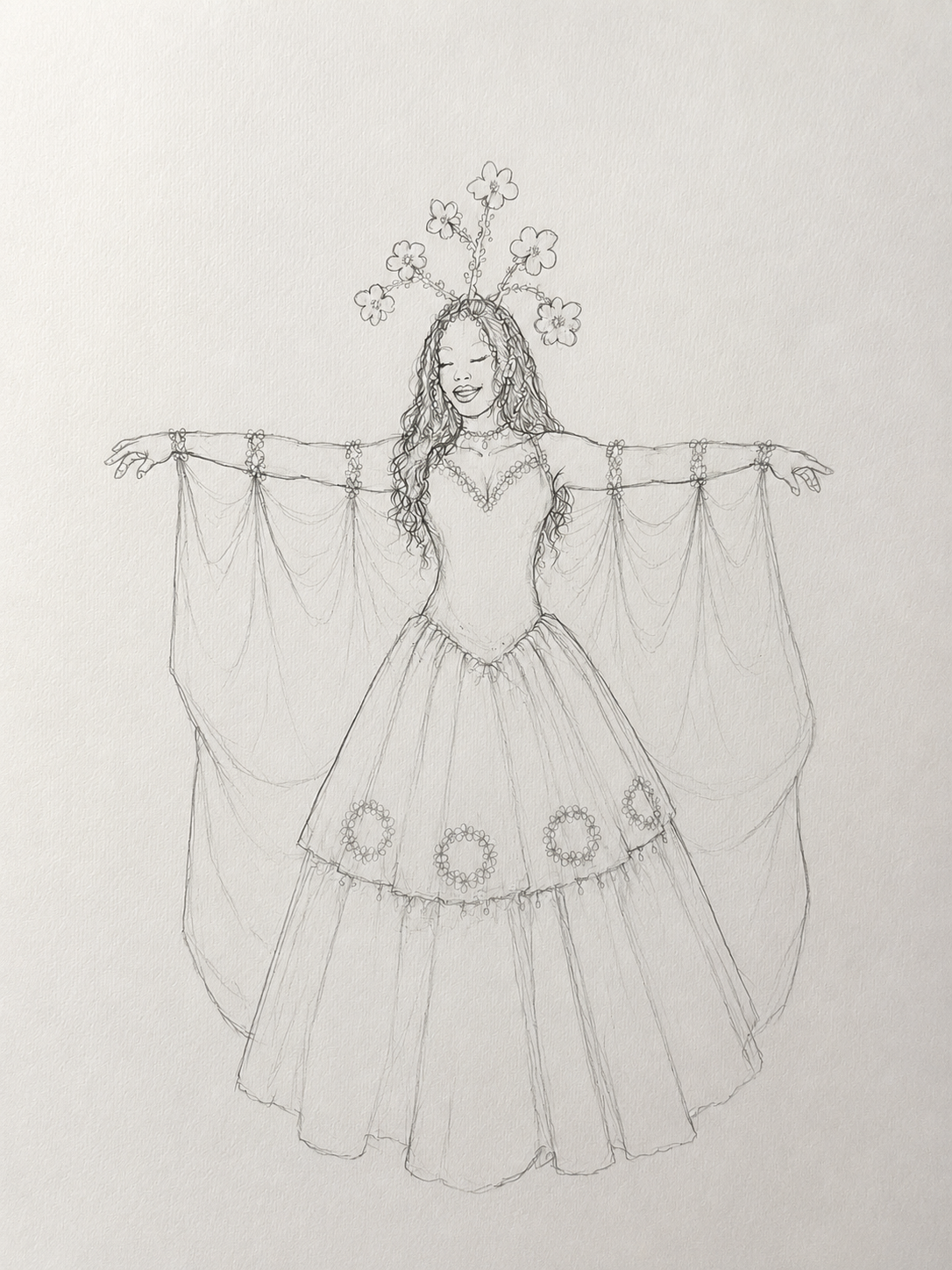
Illustrated I Hanna Brick
SZA – Written by Nicola Midiri
SZA, the American singer-songwriter, left a golden, glowing impression at this year’s Met Gala. She wore a gown custom-designed by Bode. The designer was Emily Adams Bode Aujla. The fabric of the dress consisted of tulle, taffeta, silk faille, and lace. Over 100 yards of yellow fabric were sourced from eBay. She symbolized energy and was a ray of sunshine when it came to her look. It was inspired by 18th-century fashion and Wiener Werkstätte. The gown has historical elegance with details of whimsy through her train, a Basque corset with butterfly-like embellishments. The look reflected SZA’s personal interests in nature and travel, which represent the craftsmanship in Europe, India, and New York. Her look of the evening left the impression of being romantic and globally inspired.
Alex Consani – Written by Eloryn Fall
Being the first trans woman to host the Met Gala, Alex Consani came to the carpet ready to turn heads. Dressed in custom Gucci, her ensemble delivered just that. First appearing in a large white cape, Consani teased that she would be revealing another look. Upon reaching the steps, she dropped the cape to reveal a sheer nude corset featuring an abundance of feathers. The feathers, beginning at her waist, trailed down into a large train and glittered in the flashing paparazzi lights. Known for transcending social norms, Consani reminded us of a time when artistic nudity was the standard—something that has become taboo in recent history. The look was absolutely stunning and undoubtedly a beautiful representation of art in fashion.
Hunter Schafer – Written by Lauren Uliana
When Hunter Schafer is on the guest list, it is a guarantee that her stylist, Dara, will ensure Schafer is perfectly dressed. This year’s Met Gala was no exception. Schafer stepped on the carpet in a Prada dress inspired by Gustav Klimt’s 1914 painting Mäda Primavesi. The painting depicts a nine-year-old girl wearing a dress made by courtier Emilie Flöge, who was a friend of Klimt. Schafer can be interpreted as an older version of the girl who perhaps stumbled upon the dress in her basement. The gown contains an empire-waist with flowers lining the bodice and tears along the skirt and waist. Each tear revealed an underlayer of floral silk chiffon that mimics the coloring found within the painting. Schafer, along with her stylist Dara, reimagined a classic piece of art into a new medium, playing into the theme perfectly.
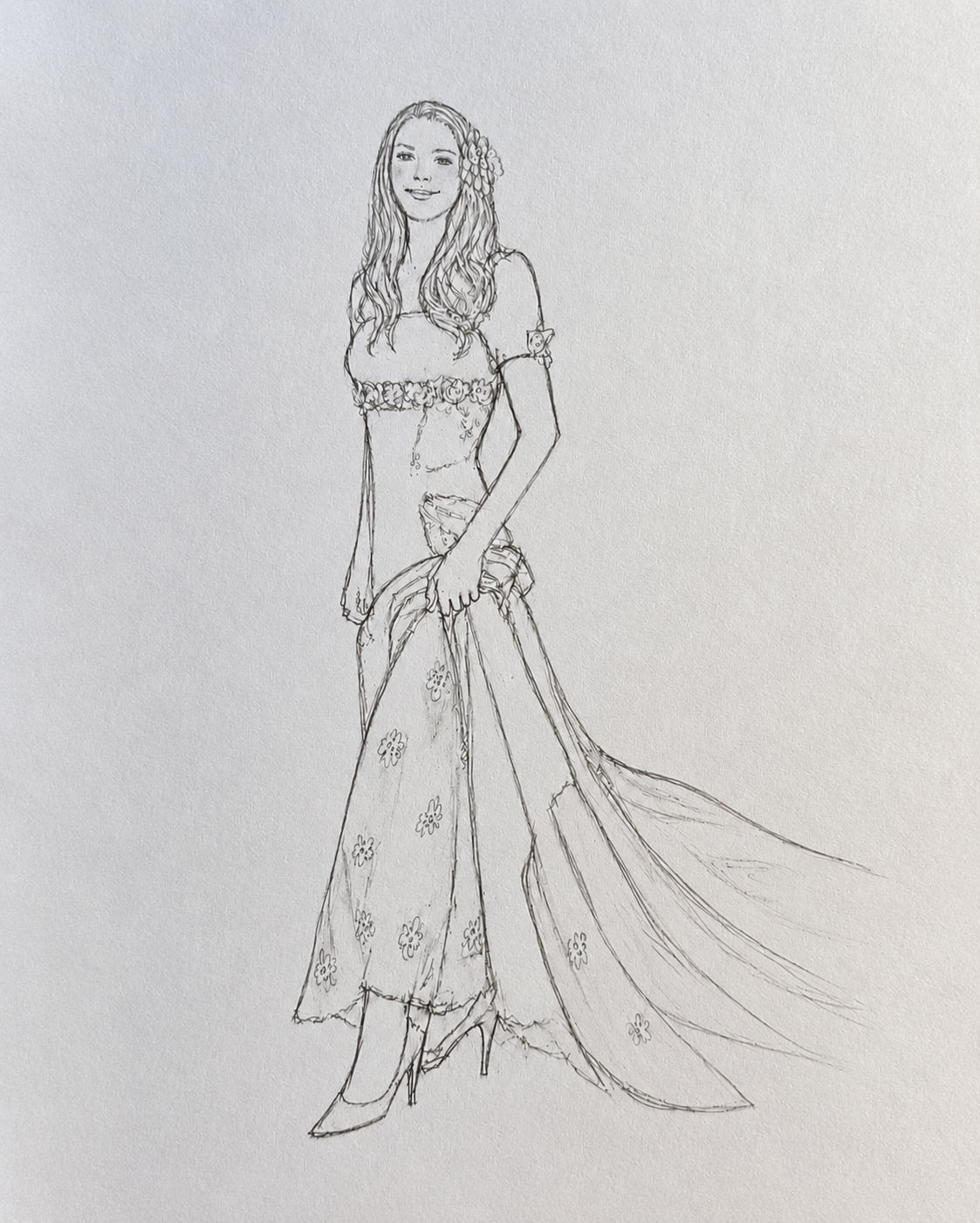
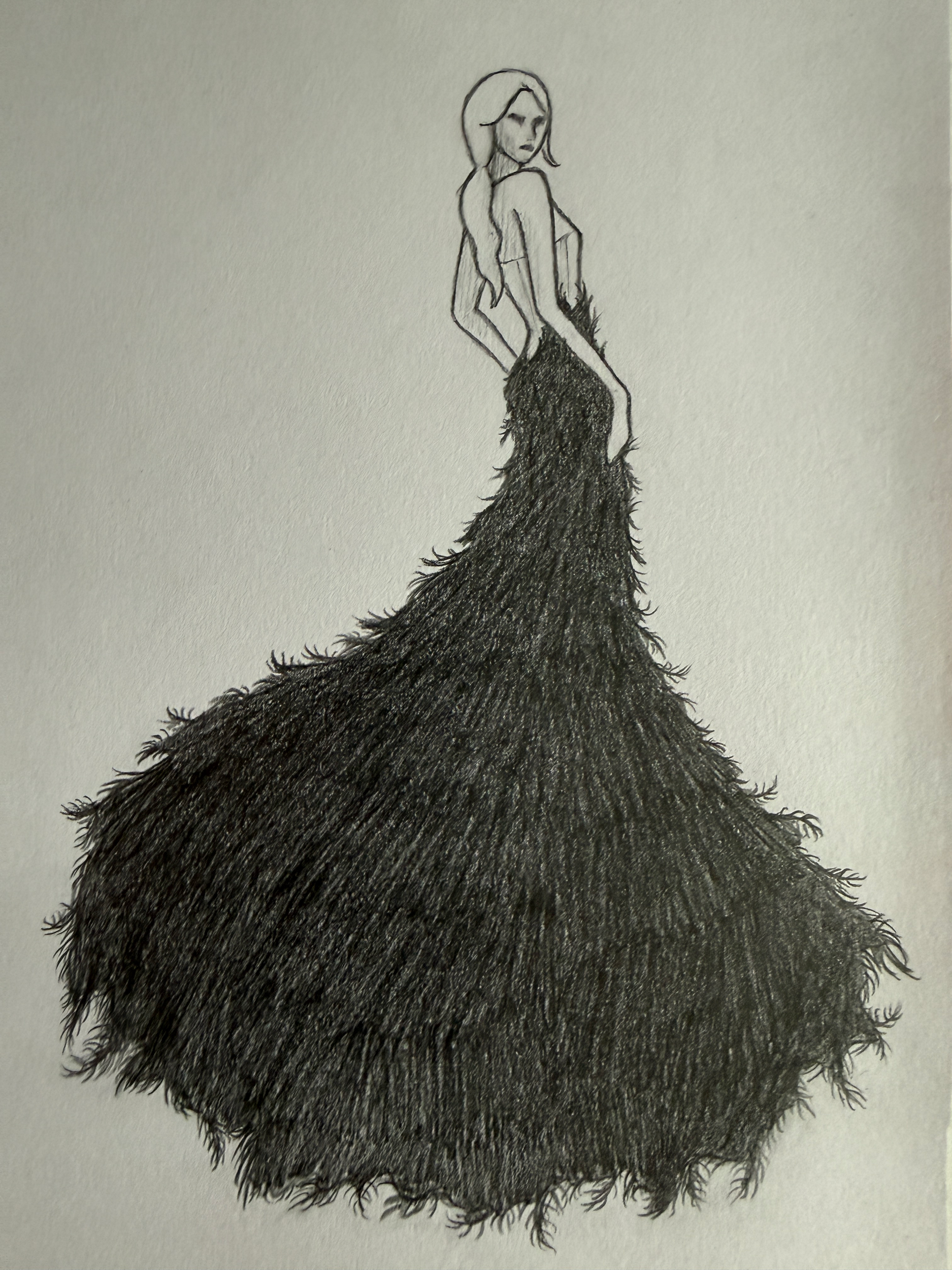
Illustrated I Hanna Brick
